Author: Mahesh P Devarakonda

Why Rama Chose Hanuman

Why Rama Chose Hanuman

When we think of Hanuman, we often picture him as a mighty vanara who leapt across the ocean or carried mountains in service of Rama. Yet, in the heart of Valmiki’s Ramayana, we find a different dimension of Hanuman — that of a scholar par excellence.
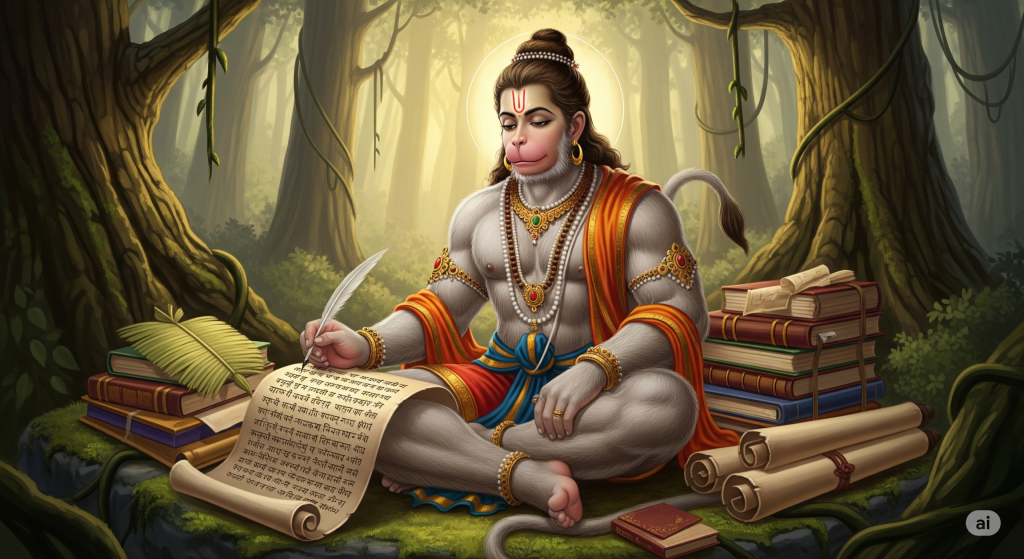
Hanuman was a master of the Vedas and Sastras, with flawless command over grammar, rhetoric, and communication. His intellect was as sharp as his courage, and his devotion as deep as his strength. More than physical power, it was his clarity, humility, and righteousness that set him apart.

When the time came for Rama to choose an emissary to Lanka, the task was not merely physical — it demanded wisdom, diplomacy, and the ability to speak truth with conviction. Rama chose Hanuman because he embodied these very qualities.

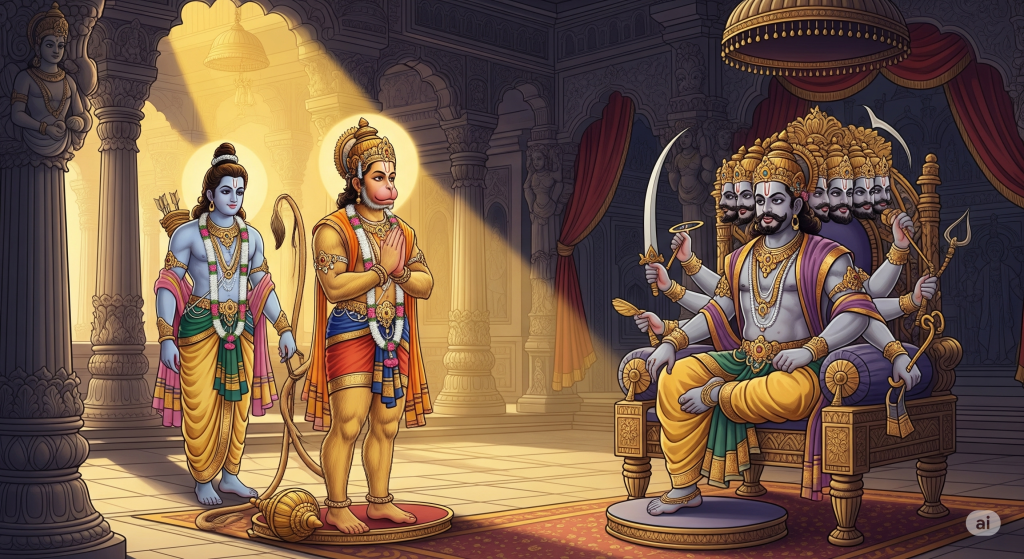
“When Hanuman was moving about in the Ashoka forest, all the rakshasas caught hold of Hanuman, tied him up and took him to Ravana. Ravana then asked a series of questions. However, Hanuman did not answer even one of them. The moment he looked at Ravana, Hanuman became very angry. Even there, under those circumstances, Hanuman undertook to tell Ravana what good qualities are and how one should strive to have good qualities. He addressed Ravana and he asked him to realise at least then that what he had done was wrong.”
– Bhagawan Sri Sathya Sai Baba, Summer Showers 1977  

This post explores:
1. Why Sri Rama chose Hanuman and
2. Hanuman’s own timeless words proclaiming the glory of Sri Rama.

With this lens, we turn to Sundarakāṇḍa, Sarga 51, where Hanuman directly addresses Ravana. These verses (38–45) capture a timeless guidance for all of us.

The Glory of Rama – Hanuman’s Words to Ravana
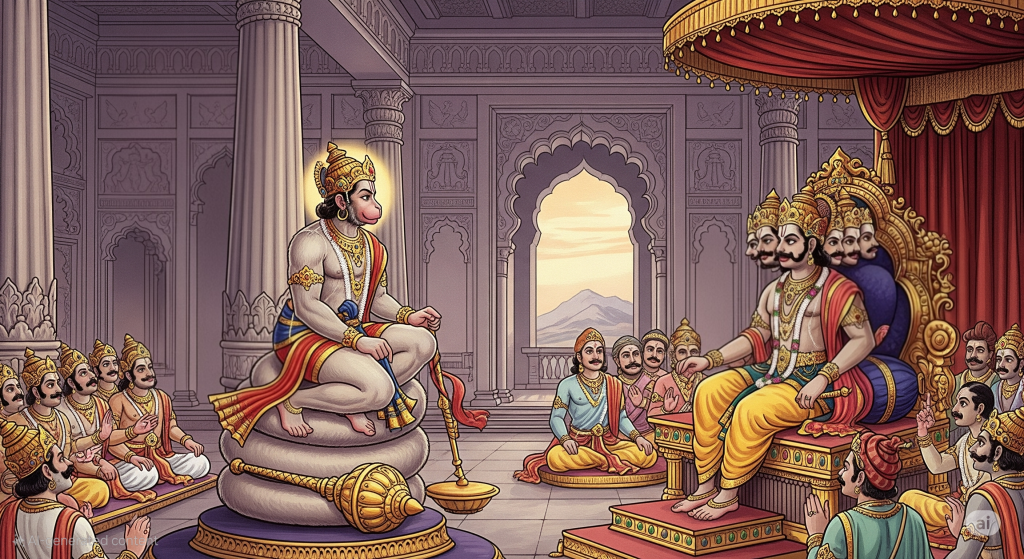
In Sundarakāṇḍa, Sarga 51 (verses 38–45), Hanuman, sitting on his tail at a height greater than Ravana’s throne, delivers a proclamation that shines with both authority and devotion that are timeless declarations of Rama’s divine glory.

Here are the verses (transliteration and meaning condensed for flow):

5.51.38

Transliteration:
satyam rākṣasarājendra śṛṇuṣva vacanaṁ mama || 5-51-38
rāmadāsasya dūtasya vānarasya viśeṣataḥ |

Translation (site-based, refined):
“O king of the rākṣasas, hear my truthful words — the words of Rāma’s servant, his messenger, and in particular of a vānar(a).” valmikiramayan.net

Explanation / meaning:
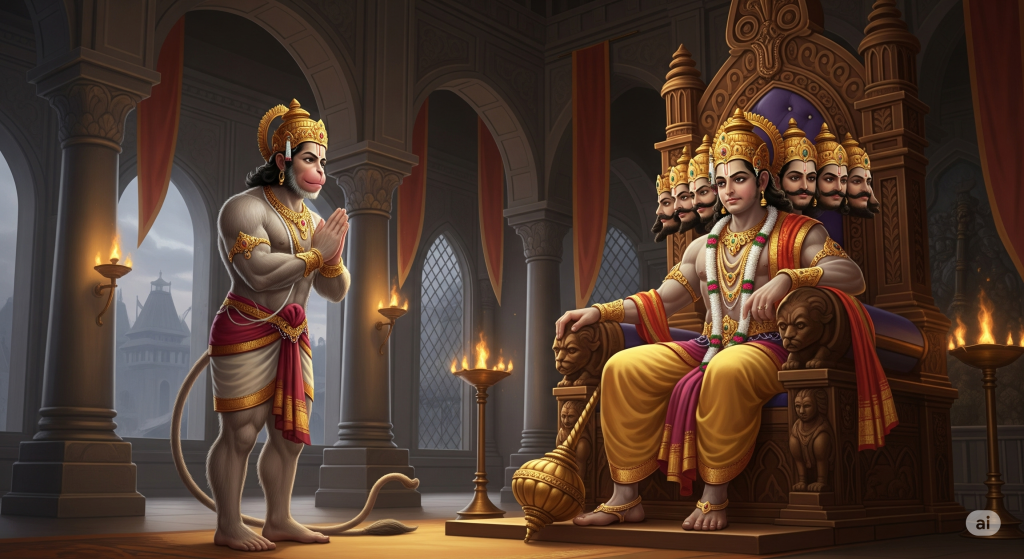
Hanumān opens with humility and authority together. He explicitly identifies himself as Rāma’s servant and envoy and draws attention to the truthfulness (satya) of what he will say. This establishes the moral standing of his message: it’s not the boast of a warrior but the sober counsel of a loyal messenger whose authority derives from service to dharma. The tone signals: listen not to my form (a vanara) but to the truth behind my words. valmikiramayan.net

5.51.39

Transliteration:
sarvān lokān susaṁhṛtya sabhūtāṁś carācarān || 5-51-39
punareva tathā sraṣṭum śakto rāmo mahāyaśāḥ |

Translation (site-based, refined):
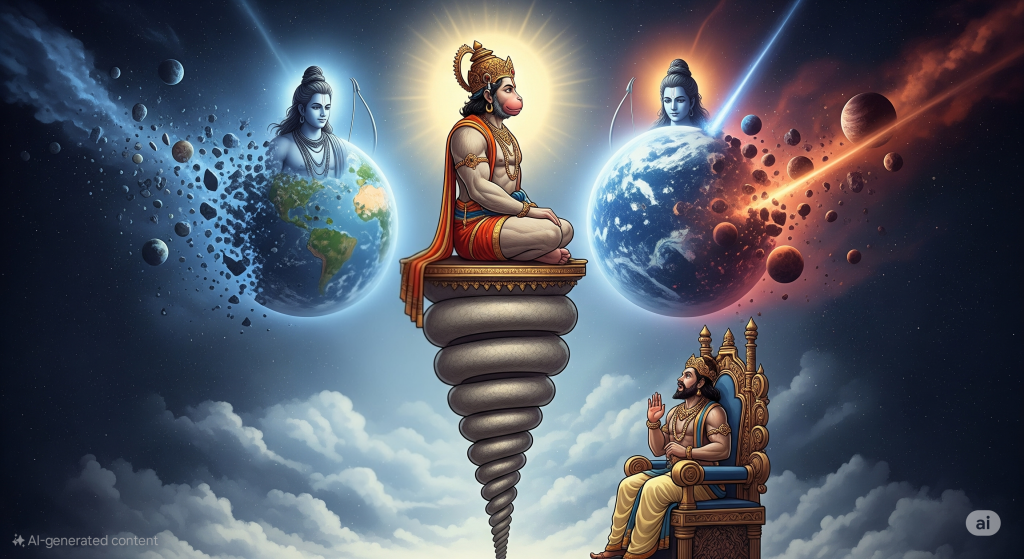
“The renowned Rāma is capable of wholly dissolving all the worlds — animate and inanimate — and creating them again; such is his great glory.” valmikiramayan.net

Explanation / meaning:
This verse lifts the discussion from a local quarrel to cosmic scale. Hanumān reminds Rāvaṇa that Rāma’s potency is not limited to human combat: He is described as able to unmake and remake worlds. The point is both theological and tactical: opposing Rāma is to oppose a power whose scope and authority transcend worldly calculations. For Ravana, this should be a sober reality-check: the stakes are cosmic, not merely political. valmikiramayan.net

5.51.40–42 (grouped on the page)

Transliteration (combined):
devāsuranarendreṣu yakṣarakṣogaṇeṣu ca || 5-51-40
vidyādhareṣu sarveṣu gandharveṣūrageṣu ca |
siddheṣu kinnarendreṣu patatriṣu ca sarvataḥ || 5-51-41
sarvabhūteṣu sarvatra sarvakāleṣu nāsti saḥ |
yo rāmaṁ pratiyudhyeta viṣṇutulya-parākramam || 5-51-42

Translation (site-based, refined):
“Among gods and asuras, kings, yakṣas and rākṣasas, among vidyādharas, gandharvas, nāgas, siddhas, kinnaras and flying tribes — in all beings, everywhere and at all times — there is none who can stand against Rāma; his valour is equal to Viṣṇu’s.” valmikiramayan.net

Explanation / meaning:
This extended passage catalogs the universe’s hosts — celestial, semi-divine, and terrestrial — to stress universal uniqueness: no class of being can match Rāma. By invoking “Viṣṇu-like valour,” Hanumān is effectively identifying Rāma’s active potency with the supreme protector principle. Practically, this tells Rāvaṇa that he faces not just a great mortal but the full weight of the dharma-upholding divine — making resistance both futile and self-destructive. valmikiramayan.net
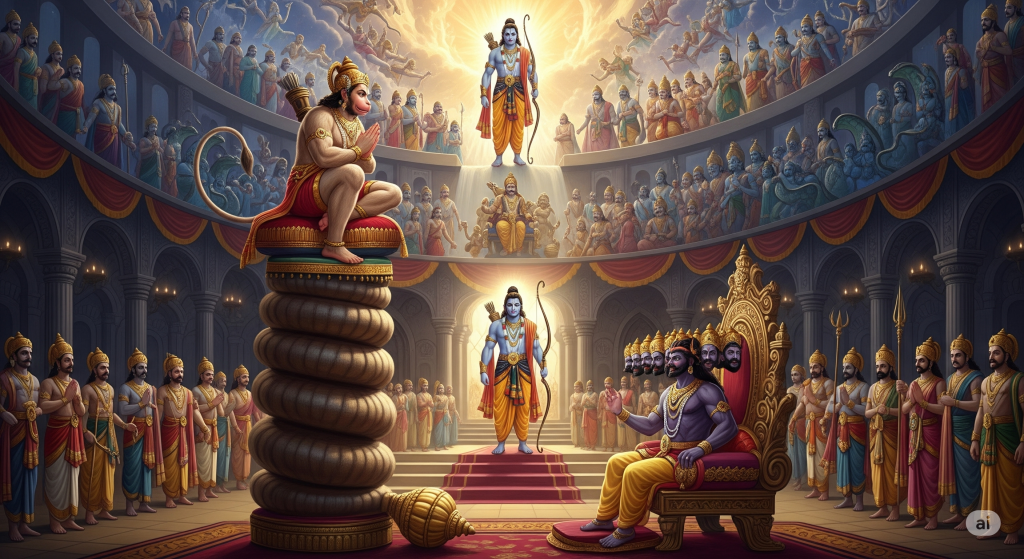

5.51.43

Transliteration:
sarvalokeśvarasyaivam kṛtvā vipriyam uttamam |
rāmasya rājasimhasya durlabhaṁ tava jīvitam || 5-51-43

Translation (site-based, refined):
“Having grievously wronged Rāma — the lord of all worlds and the lion among kings — your survival will be hard to obtain.” valmikiramayan.net

Explanation / meaning:
This verse turns the philosophical claim into a concrete warning: to injure the guardian of the cosmic order is to invite peril. Hanumān points out that by capturing Sītā and opposing Rāma, Rāvaṇa has committed a grave breach against the world-protector; therefore, continued survival (physical and political) is now improbable. It underlines the moral law: actions against dharma have real, unavoidable consequences. valmikiramayan.net
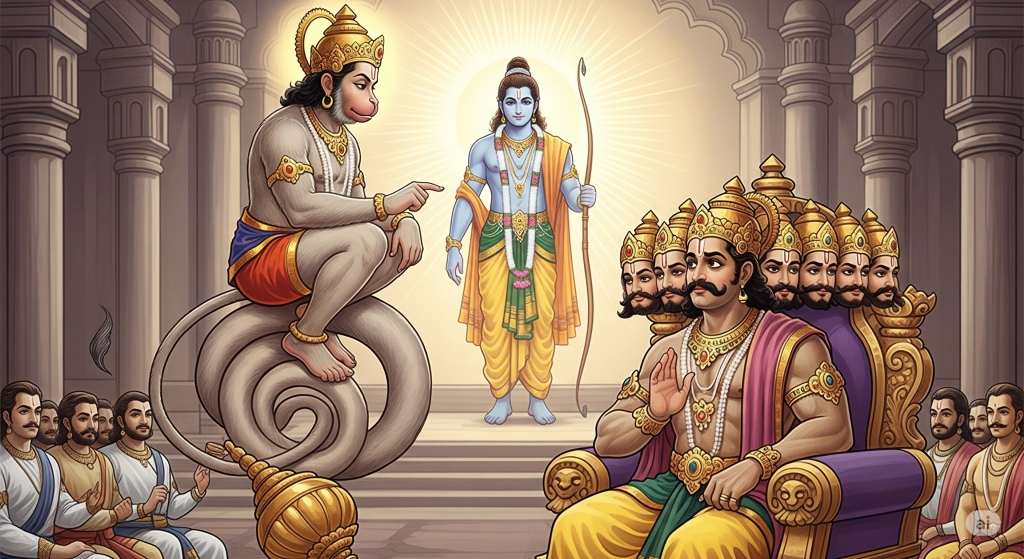

5.51.44

Transliteration:
devāś ca daityāś ca niśācarendra |
gandharvavidyādhara nāga yakṣāḥ |
rāmasya lokatraya nāyakasya |
sthātum na śaktāḥ samareṣu sarve || 5-51-44

Translation (site-based, refined):
“Not even gods, daityas, leaders of night-roamers, gandharvas, vidyādharas, nāgas or yakṣas — all of them — are able, in battle, to stand before Rāma, the leader of the three worlds.” valmikiramayan.net

Explanation / meaning:
This closing couplet of the counsel returns to the battlefield image: even the greatest martial and supernatural forces cannot withstand the Dharma-rooted might of Rāma. The list includes every major class of beings, demonstrating the utter comprehensiveness of Rāma’s supremacy. It is both a warning (for Ravana) and an affirmation (for listeners/readers): where dharma and divinity coincide, exterior might cannot prevail. valmikiramayan.net
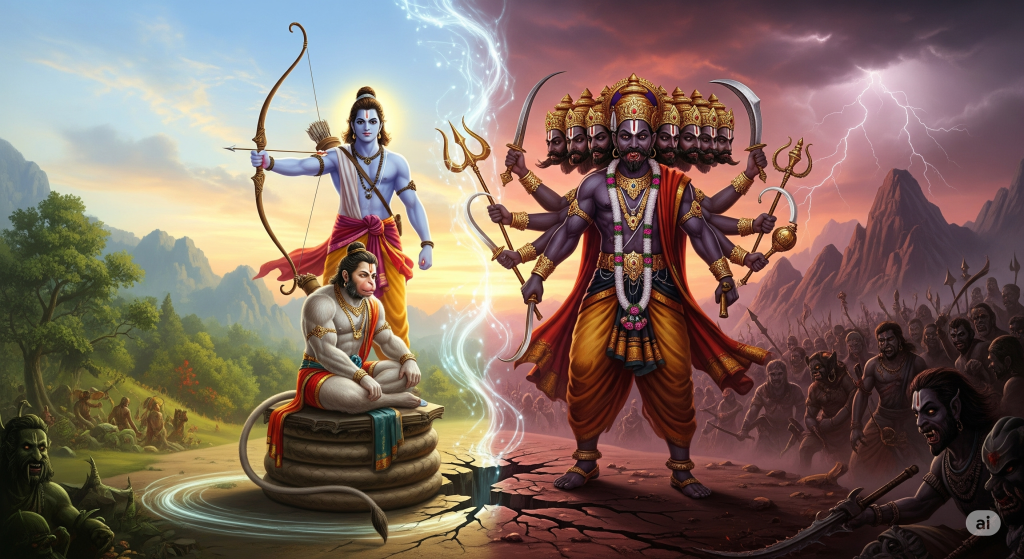

5.51.45

Transliteration:
brahma svayamubhūśca turānano vā |
rudrastriṇetrastripurāntako vā |
indro mahendraḥ suranāyako vā |
trātum na śaktā yudhi rāmavadhyam || 5-51-45

Translation:
“Neither Brahmā himself, nor Turāṇana, nor Rudra, nor Tripurāntaka, nor Indra, nor Mahendra, nor the leaders of the gods — none of them are capable of saving anyone in battle against Rāma, the slayer of evil.”

Explanation / Meaning:
This verse emphatically closes Hanuman’s proclamation, listing even the supreme divine beings and asserting that none can withstand Rāma’s power when he acts to uphold dharma. It is the ultimate affirmation of Rāma’s divinity, valor, and role as protector of the righteous — no worldly or celestial power can oppose him.
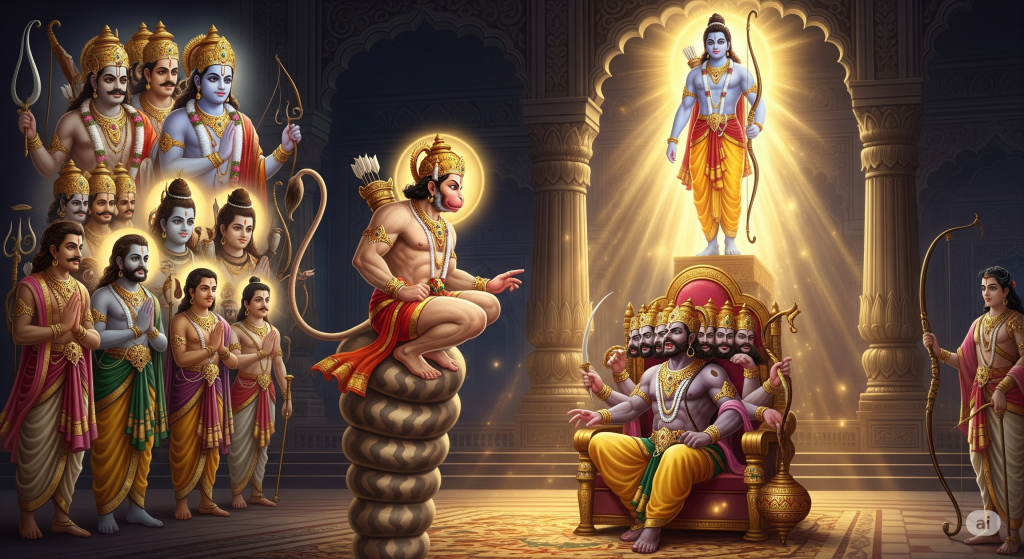

Reflections on Hanuman’s Proclamation

Hanuman’s words to Ravana are a timeless guide to understanding Dharma, devotion, and the power of Truth. In these verses, we see Rama portrayed not merely as a warrior, but as the embodiment of righteousness, compassion, and divine authority.

Through Hanuman’s narration, we understand:

  • Dharma and Adharma: Hanuman’s words draw a clear line between Rama’s righteous path and Ravana’s unrighteous one. He personifies the qualities of a devoted servant and a wise leader.
  • Courage and Humility: Hanuman stands alone in Lanka, yet he is fearless. His courage is rooted not in his own strength, but in his devotion to Rama. He maintains a profound sense of humility, always referring to himself as “Rama’s servant” rather than boasting of his own feats.
  • The Power of Devotion: Hanuman’s devotion is his greatest strength. It is what fuels his intellect, courage, and ability to fulfill his mission. His unwavering faith in Rama is what makes him the perfect emissary.
  • Strategic Communication: Hanuman’s speech is a masterclass in diplomacy and psychological warfare. He systematically dismantles Ravana’s arrogance by highlighting Rama’s invincibility and the futility of fighting against him.
  • True strength is rooted in adherence to Dharma.
  • Courage and devotion empower one to act righteously even in the face of formidable opposition.
  • Words spoken with humility and conviction, guided by truth, have immense transformative power.

It is for these reasons that Sri Rama chose Hanuman as His emissary to Lanka.

Key Takeaways

  1. Righteousness (Dharma) Guides Action:
    Rama’s actions are always in alignment with dharma.
  2. Devotion Illuminates and Emboldens:
    Hanuman’s unwavering devotion enabled him to face Ravana fearlessly.
  3. Inner Dharma Surpasses Outer Might:
    No amount of power or ego can triumph over righteousness. Even mighty Ravana was powerless against Rama’s truth.
  4. Leadership Through Integrity:
    Rama’s choice of Hanuman demonstrates that true leadership is entrusted to those with wisdom, courage, and character, not merely physical strength.

Applying These Lessons in Daily Life

  • Anchor Your Actions in Truth: Let honesty and integrity guide decisions at work, home, and community.
  • Cultivate Courage and Devotion: Face challenges with faith — in spiritual practice, personal growth, or social service.
  • Practice Humility and Righteousness: Like Hanuman, serve with humility while standing firmly for what is right.
  • Embody Knowledge with Devotion: Use skills and knowledge for the welfare of others, balancing intellect with heart.

Concluding Reflection

The episode of Hanuman narrating the glory of Sri Rama reminds us that Dharma, Truth, and Devotion are invincible forces. Ravana symbolizes ego, delusion, and misuse of power, whereas Rama symbolizes virtue, divine protection, and righteous leadership.

Bhagawan Sri Sathya Sai Baba says:

“When we give room to jealousy, anger and ego, we become a Ravana. When we follow the path of truth and the path of dharma, we become a Ramachandra. Good and bad are results only of the way we conduct ourselves. Rama and Ravana are not separate people. They are in us and they make us look like one or the other according to our deeds.” 
– Summer Showers 1977
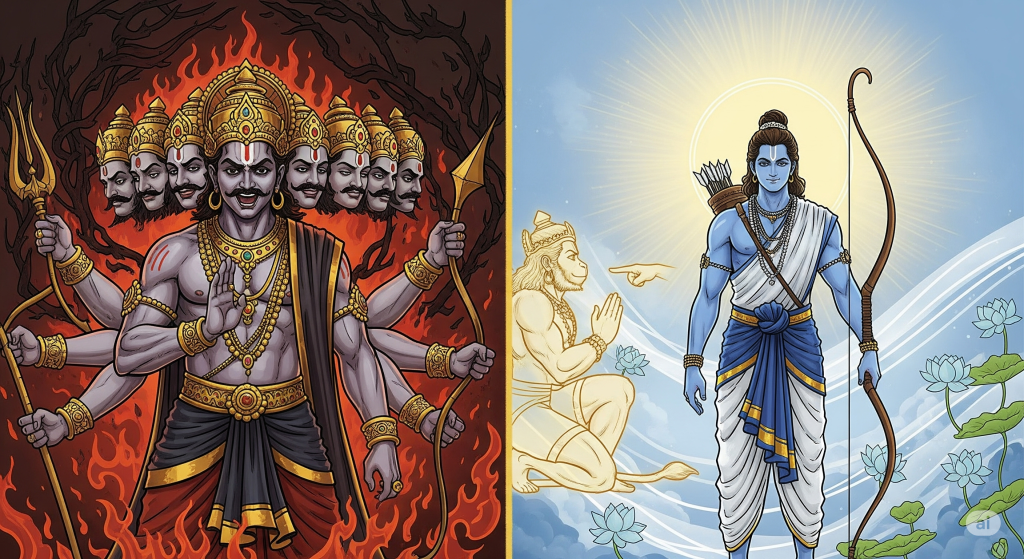
By internalizing Bhagawan Baba’s guidance alongside Hanuman’s proclamation, we can transform our daily lives into a living expression of devotion, righteousness, and selfless service, carrying forward the message of Rama and Hanuman in our modern world.


References & Citations

  1. Valmiki Ramayana, Sundarakāṇḍa, Sarga 51, Verses 38–45 – Gita Press Digital Edition
With humble pranams at the Divine Lotus Feet.
Jai Sai Ram

Pancha Mukha Shiva

Pancha Mukha Shiva

The Five Faces of Shiva – A Journey from Creation to Liberation

Loving Sairams…
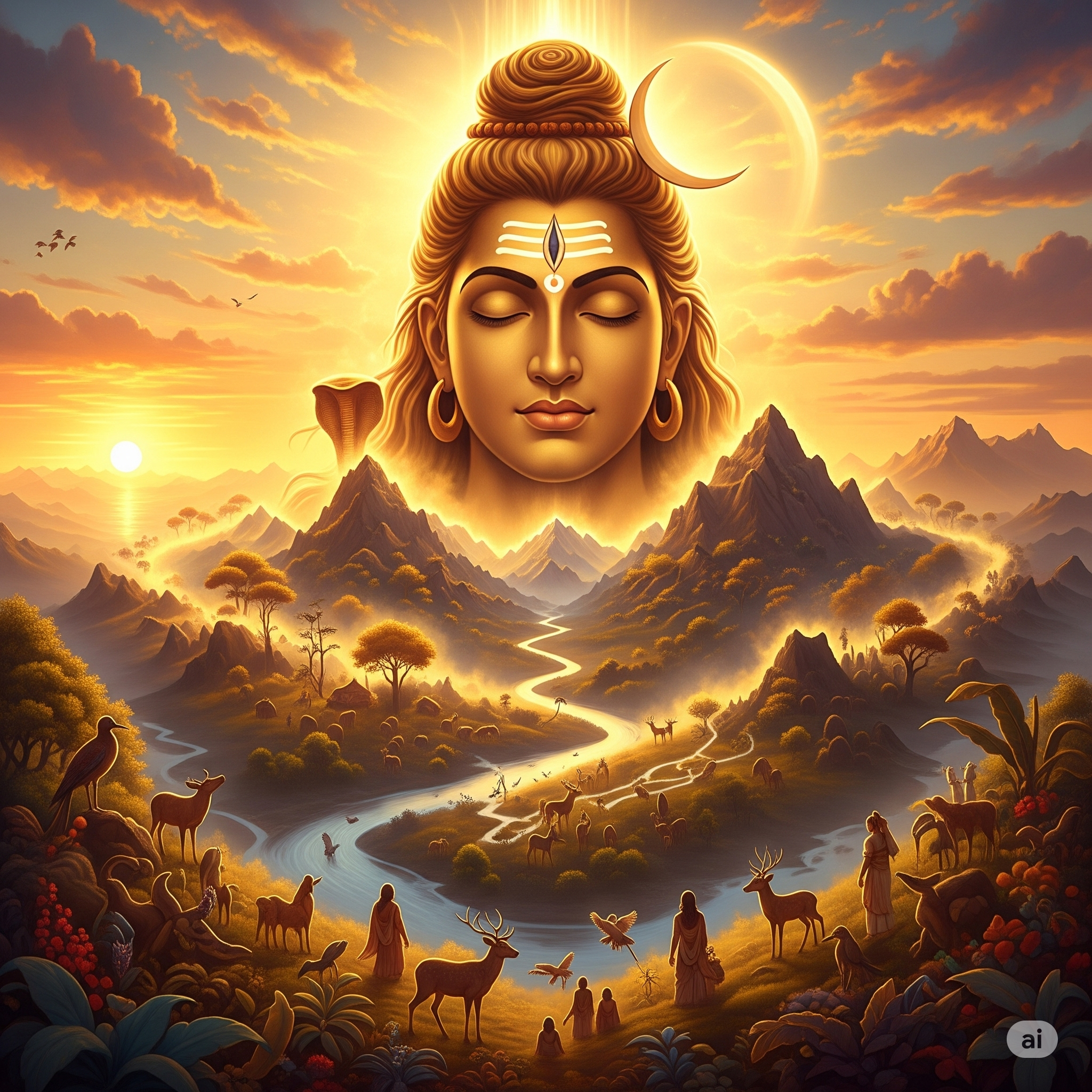
The vision of Pañcha Mukha Shiva — the five-faced form of the Lord — is beautifully explained in the Shivopasana mantra and other Agamas. Each face is a manifestation of Lord Shiva – the Supreme Brahman, revealing – creation, preservation, dissolution, concealment, and grace.

Let us reflect on these five:

1. Sadyojāta (West – Creation)
Scriptural Reference: Creator of earth, linked with the Śṛṣṭi-śakti (power of creation).
Mantra:
सद्योजातं प्रपद्यामि सद्योजाताय वै नमो नमः।
भवे भवे नातिभवे भवस्व माम्। भवोद्भवाय नमः॥

Meaning: I surrender to Sadyojāta, the source of all creation. May I not fall into endless cycles of birth, but rise to the truth of Shiva.  I surrender to Sadyojāta, the face of the West—source of creation and immediacy.  May He accept my surrender. In every birth and becoming, may He guide me beyond the cycle of birth itself. He is the golden seed from which all forms arise. His gaze awakens the first breath of life, stirring the soil of existence.

2. Vāmadeva (North – Preservation & Bliss)
Scriptural Reference: Preserver of creation, embodiment of beauty, joy, and healing.
Mantra:
वामदेवाय नमो ज्येष्ठाय नमः श्रेष्ठाय नमो रुद्राय नमः कालाय नमः कलविकरणाय नमः।
बलविकरणाय नमो बलप्रमथनाय नमः सर्वभूतदमनाय नमो मनोन्मनाय नमः॥

Meaning: Salutations to Vāmadeva, the most excellent, who subdues time and ego, who governs all beings, and who leads the mind beyond the mind. Vāmadeva, the face of the North—preserver of beauty, strength, and grace.  Homage to the eldest, the noblest, to Rudra, to Time, to the All, and to the sixfold Rudra. He is the moonlight that soothes the restless heart. His presence flows like sacred rivers, sustaining all that lives.

3. Aghora (South – Dissolution & Transformation)
Scriptural Reference: Transformer, purifier, remover of fear and ignorance.
Mantra:
अघोरेभ्योऽथ घोरेभ्यो घोरघोरतरेभ्यः।
सर्वेभ्यः सर्वशर्वेभ्यो नमोस्तु रुद्ररूपेभ्यः॥

Meaning: Salutations to Aghora and all forms of Rudra, from the gentle to the most fearsome, who dissolve impurities and liberate beings from fear—salutations to Rudra in all His manifestations. He is the fire that purifies, the storm that liberates. His roar breaks illusion, revealing the truth beneath all forms.

4. Tatpuruṣa (East – Concealment & Protection)
Scriptural Reference: Protector, concealer of divine mystery, connected with prāṇa (life-force).
Mantra:
तत्पुरुषाय विद्महे महादेवाय धीमहि।
तन्नो रुद्रः प्रचोदयात्॥

Meaning: We meditate on Tatpuruṣa, the indwelling Lord and protector of all beings. May Rudra guide our intellect to truth. We contemplate Tatpuruṣa, the face of the East—embodiment of supreme consciousness.  May that Rudra inspire and illumine our minds. He is the breath between thoughts, the silence behind sound. His stillness draws the seeker inward, toward the hidden flame

5. Īśāna (Upward – Grace & Liberation)
Scriptural Reference: Supreme face, transcendent, symbol of Ānugraha (liberation through grace).
Mantra:
ईशानः सर्वविद्यानामीश्वरः सर्वभूतानाम्।
ब्रह्माधिपतिर्ब्रह्मणोऽधिपतिर्ब्रह्मा शिवो मे अस्तु सदाशिवोम्॥

Meaning: Īśāna is Lord of all knowledge and all beings, the source and master of Brahman itself. May He reveal Himself as Sadāshiva within me. Īśāna, the upward face—lord of all knowledge and beings.  Master of Brahmā and the Vedas—may He, the eternal Śiva, always abide in me. He is the light beyond thought, the eye that sees all directions. His wisdom pervades the cosmos, whispering truths beyond time.

Applying the knowledge of Pañcha Mukha Shiva –
Example scenario: The Journey from Chaos to Consciousness
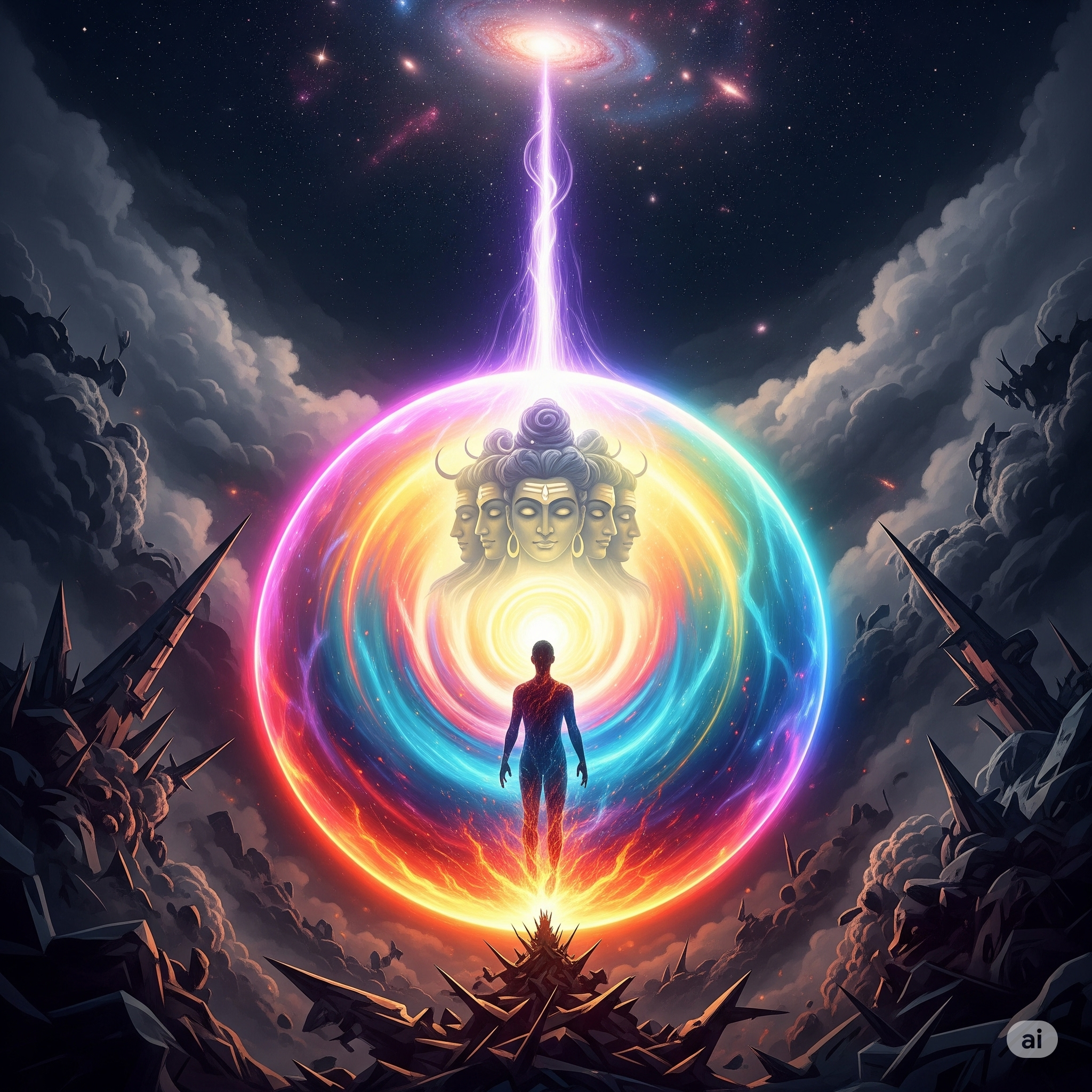
The image below is an abstract visualization, designed as a symbolic representation of the human spiritual journey, guided by the divine forces of Pañcha Mukha Shiva by telling a powerful story of spiritual transformation. It represents the journey of an individual from a state of chaos to one of peace and ultimate liberation.

The Figure and the Dark Swirl:
The silhouette of a person emerges from a chaotic vortex of dark, stormy colors. This represents the human condition, often burdened by negativity, ego, and the turbulence of daily life.

The Guiding Light: As the figure ascends, they are enveloped in a protective sphere of light.
This light is a blend of the five divine aspects:

  1. Fiery Red Orange: At the base, it burns away negativity and transforms fear, representing Aghora.
  2. Peaceful Blue: This color radiates outwards, bringing a sense of calm and nourishment, symbolizing Vāmadeva.
  3. Bright Yellow White: It forms a shield of protection, guarding the figure and representing Tatpuruṣa.
  4. Golden Light: The golden hues subtly indicate the creative energy for new beginnings, a reflection of Sadyojāta.
  5. White-Violet Stream: The light culminates in a pure, upward-flowing stream that connects the figure to the cosmos. This is the essence of Īśāna, symbolizing grace, enlightenment, and liberation.


The Cosmic Connection: The figure is shown merging with a starry, galactic sky, signifying the ultimate union of individual consciousness with the vastness of the universe. The faint outlines of the five faces of Shiva are subtly embedded within the light, showing that these divine energies are the guiding force behind the entire journey.

This image communicates that the path to spiritual awakening is a process of rising above internal and external struggles, a journey of transformation guided by a divine, protective force towards ultimate freedom.

Concluding Reflection
The five faces of Shiva are not separate forms, but one indivisible truth. Together they represent the entire cosmic cycle: Creation (Sadyojāta), Sustenance (Vāmadeva), Dissolution (Aghora), Concealment/Protection (Tatpuruṣa), Grace/Liberation (Īśāna)

By contemplating on Pañcha Mukha Shiva, we move beyond the outer cycle of birth and death to the inner realization of Shiva as the eternal Self.

With humble pranams at the Divine Lotus Feet.
Jai Sai Ram

Please note all content and images generated using AI tools

Awaiting the Blaze: Capturing Corona Borealis Before the Nova

Awaiting the Blaze: Capturing Corona Borealis Before the Nova

On the evening of June 17, 2024, armed with my Samsung S 24 Note Ultra, I embarked on a unique stargazing journey from the heart of Bangalore, India. My mission was not just to admire the night sky, but to capture a moment that would soon etch itself into the annals of astronomical history.

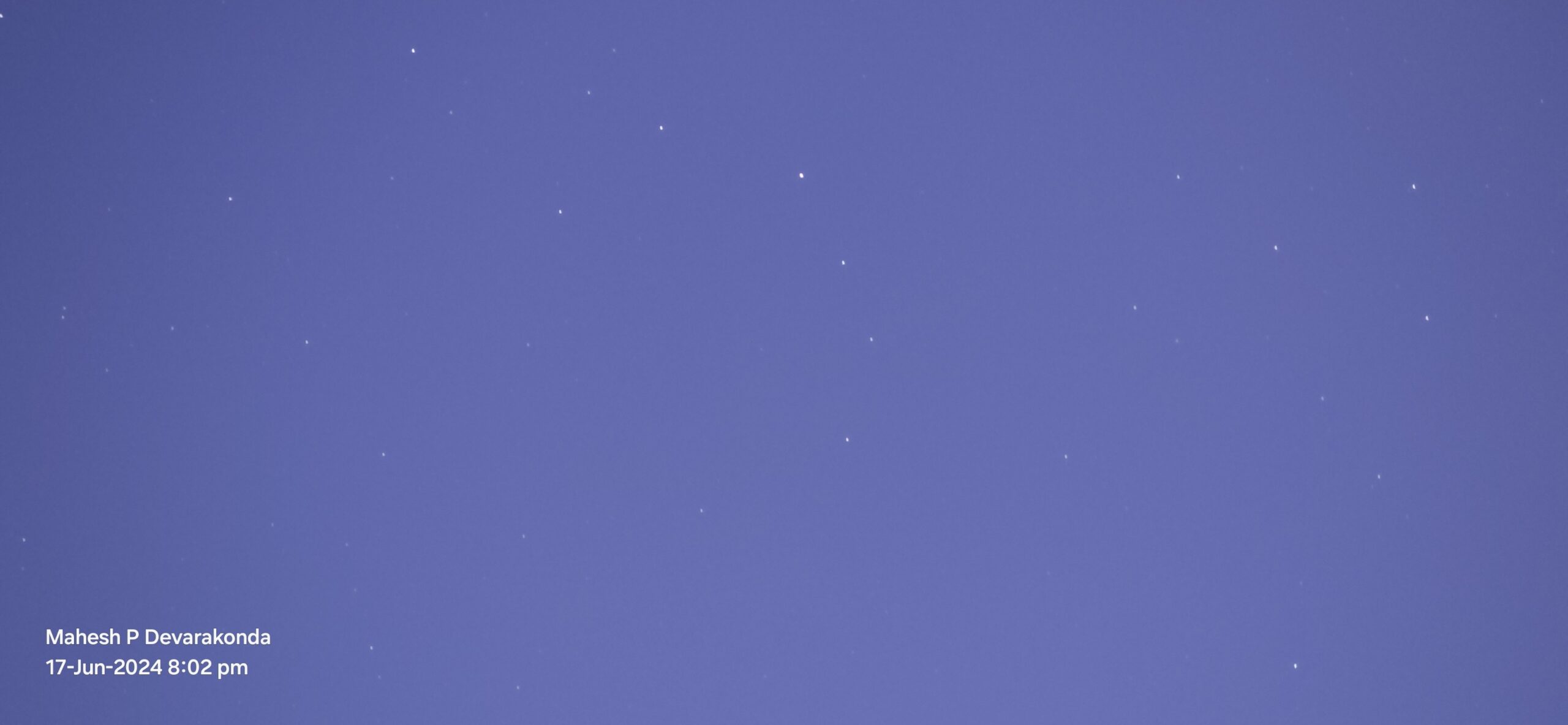
My gaze was fixed on the constellation Corona Borealis, also known as the Northern Crown. This semi-circular constellation (shown below), reminiscent of a regal crown, has been a part of numerous mythologies and now, it is set to be part of a rare celestial event.

Corona Borealis as captured (after cropping) using the Samsung Note 24 Ultra

The star of the show is T Coronae Borealis, popularly known as the Blaze Star. This star has a recurring nova and is expected to dramatically increase in brightness, a phenomenon known as going nova, sometime between now and September 2024.

Although the Blaze Star, currently at a magnitude of 10.4, is not visible to the naked eye, I used the Sky Safari app to pinpoint its location within the constellation (see above). I captured a few photos of the complete Corona Borealis constellation, with the invisible Blaze Star waiting in the wings for its grand spectacle.

These images, captured with the impressive camera of the Samsung S 24 Note Ultra, will serve as a ‘before’ snapshot of this celestial event. A silent testament to the calm before the storm.

As we wait for the Blaze Star to light up the night sky, these images and this blog post will serve as a reminder of the tranquil beauty of the night sky before the event. Once the star goes nova, I plan to capture the ‘after’ images and share the dramatic transformation of the Blaze Star with you all.

One of the stars in the Corona Borealis constellation, Alphecca (see below), shines brightly at a magnitude of 2.0. This star, also known as Gemma, is the brightest star in the constellation and is easily visible to the naked eye.

Cropped image of the Corona Borealis to show the stars clearly

The fascinating part is that once the Blaze Star goes nova, it’s expected to match the brightness of Alphecca. For a few days, the Blaze Star will be visible to the naked eye, shining as brightly as Alphecca. This will truly be a rare and spectacular event, as we witness a usually faint star transform into one of the brightest objects in the night sky.

Here’s to the anticipation of a rare celestial event, the joy of stargazing, and the marvels of modern technology that allow us to capture these moments. So, keep your eyes on the sky and don’t miss this celestial spectacle. I’ll be back with the ‘after’ images and the story of the Blaze Star’s transformation. Until then, clear skies and happy stargazing!

The above is a brief time-lapse video of the constellation moving before clouds started to appear.

12 P/Pons Brooks

12 P/Pons Brooks

Today using the Samsung 24 Ultra, I was finally able to capture the comet, though it was only a fuzzy small patch in the photo.

I compared the position of the object in the photo with Sky Safari App and confirmed the same.

Photos and screen shot are given below. One of the photos has been cropped and edited to highlight the fuzzy patch.

Now that I know the position of the comet, I am hoping to capture better photos using a DSLR. 

Sky Safari App Screenshot
Sunlight bathing Maha Vishnu Idol

Sunlight bathing Maha Vishnu Idol

Loving Sairams…
Every year towards the end of January and a day or so into February, at our home we see and experience a beautiful sight.

The position of the Sun is such that around 5.30pm, the sun light in the bhajan hall falls directly on the little Maha Vishnu idol.

The light moves from the bottom left of the Maha Vishnu idol to the top right and just vanishes…, in the process illuminating the lotus 覆 first, then the hand with Chakram followed by the face and full body and finally the left hand holding the Shanka…the whole thing takes about 18 mins…so I captured a time lapse video of the whole thing, here is the video attached it includes photos from key moments…

Video is at:

A Bright Spot in Power Outages

A Bright Spot in Power Outages

Just received my Orient Electric Emergency LED Bulb, and I’m excited to share my initial thoughts!

This bulb, with a power rating of 9W, promises to deliver uniform light distribution. What caught my eye were the features highlighted on the box: 4 hours continuous backup, long maintenance-free life, built-in Lithium battery, and the fact that it’s part of the reputable CK Birla Group.

The bulb has a sleek design with the Orient logo on it, and the packaging is quite sturdy. The top part of the box is red, which gives it a vibrant look. The company’s tagline “switch to smart” suggests a focus on smart and energy-efficient products.

I’m particularly interested in the emergency feature of this bulb. It’s designed to light up immediately in case of a power outage. This feature could be a lifesaver during unexpected power cuts, especially if the UPS is not working. This is what prompted me to buy this bulb.

I haven’t had a chance to test the bulb extensively yet, but my first impressions are positive. The light emitted is bright and has a good spread. I’m looking forward to seeing how it performs in the long run, especially the promised 4-hour backup.

Will keep you all posted on my experience with the Orient Electric Emergency LED Bulb. Stay tuned!

Here are a few product box photos…

Masa Shivaratri and Karthika Somavara Rudrabhishekam

Masa Shivaratri and Karthika Somavara Rudrabhishekam

11-12-2023

Pleased to share with you some photos of the Rudrabhishekam performed to the Sphatika Shivlingam on the occasion of Masa Shivaratri (Chaturdashi) and the last Karthika Somvaram for 2023. The two coincided on Monday this year, which is a favorite for Lord Shiva 

First are a set of AI generated images for the occasion using Bing image creator, followed by photos.

How the Full Moon Illuminated My Night in Bengaluru 27-11-2023

How the Full Moon Illuminated My Night in Bengaluru 27-11-2023

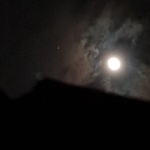
As I stepped out of my house tonight, I was greeted by a stunning sight: a huge, glowing orb looking directly into our terrace garden, and visible between the tiles ….Wow that was a sight to see. Below are a couple of photos…

The full moon was so bright that it looked like a silver disk surrounded by a halo of light. I felt a surge of awe and gratitude as I gazed at it.

There was a thin layer of cloud passing in front of it. Below is a brief time lapse video of the same.

The full moon is a symbol of completion and fulfillment. We celebrate this particular full moon as ‘Karthika Purnima’ and is one of the most Auspicious and Holy day’s in the calendar. It is a day when both Lord Shiva and Maha Vishnu are worshipped, the benefits for a healthy, prosperous, and spiritually fulfilling life.

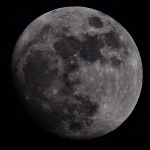
Below are some photos taken using a DSLR with a 70-300mm lens. I hope you like it as much as I did. Click on the photos to open in a separate tab.

Sky Safari App star chart

A Spectacular Sight: The Moon and Saturn in Close Proximity

A Spectacular Sight: The Moon and Saturn in Close Proximity

I have always been fascinated by the night sky and the wonders it holds. That’s why I was so excited to witness a rare and beautiful sight today, November 20, 2023: the Moon and Saturn in close proximity.

This is a conjunction, meaning they have the same apparent right ascension or ecliptic longitude in the sky. It happens when the Moon passes near a planet or a star in its orbit around the Earth. The conjunction occurred at 18:25 IST (12:55 UTC), when the Moon was 3.1° below Saturn. But I waited until after sunset, when they were high enough in the sky, to see them better.

Sky Safari App star chart showing positions of Moon and Saturn

Click any of the photos to see them in a separate tab.


The Moon was a slightly gibbous phase, 56% illuminated, and showed a faint glow on its dark side. This is called earthshine, a phenomenon that occurs when sunlight reflects off the Earth’s surface and illuminates the unlit portion of the Moon. It looked like a delicate crescent with a dim outline of the full disk.

Saturn was a pale yellow dot of light, 6.9° to the upper left of Deneb Algedi, the brightest star in the constellation of Capricornus.

I took some photos of the Moon with earthshine and Saturn nearby, and I am sharing them with you here. I hope you enjoy them as much as I did. They are not professional quality, but they capture the essence of the moment.

Star chart showing Moon and Saturn
Actual sky photo through DSLR
Close up view


—

: [Conjunction (astronomy) – Wikipedia]
: [2023, November 20: Saturn-Moon Conjunction, Venus Steps Eastward]
: [Earthshine – Moon Glow – timeanddate.com]
: [Saturn – In-The-Sky.org]

Moon-Saturn and Jupiter 24-10-2023

Moon-Saturn and Jupiter 24-10-2023

This evening, between 8.30pm to 9pm, was able to see Moon-Saturn very close to each other. Jupiter also had just risen and was visible.

Today, I used the Skywatcher 10 inch Dobsonian to see these objects with 2 inch eyepieces and a 2X Barlow.

The best views were, of course, of the Moon. The surface features were very clear, and the moon was very, very bright. The 2inch 2X Barlow gave very crisp views 👌

I was also able to see Saturn. Saturn and it’s satellite Phoebe were visible. Although the planet view itself was quite small.

Jupiter was just Grand!. Four of its major satellites were visible, and the cloud bands were clearly visible.

Below are the star charts using the Safari app on Android showing the position of these objects.

Moon and Saturn
Saturn
Jupiter and its satellites

Below are photos taken using an iPhone and a DSLR

Mirror image – Jupiter and satellites
Moon and Saturn iPhone capture
View of Saturn through telescope eyepiece captured with iPhone
Saturn seen through eyepiece
2X Barlow view of Moon surface, captured using iPhone
View without a 2X Barlow.

Some photos of the telescope

Side view of 10 inch Dobsonian
Telescope pointing to Jupiter

Images

Archives